

MetaCell updates: NeuroGlass, scientific UX, AI workshop, and more
A lot is changing in our industry. As we continue working with global leaders including J&J, Natus, the Allen Institute, and CZI's Biohub, it's clear that many teams are waking up to the idea that AI can help you build your own tools instead of buying expensive, generic SaaS. That sounds great in theory, until the real questions show up.
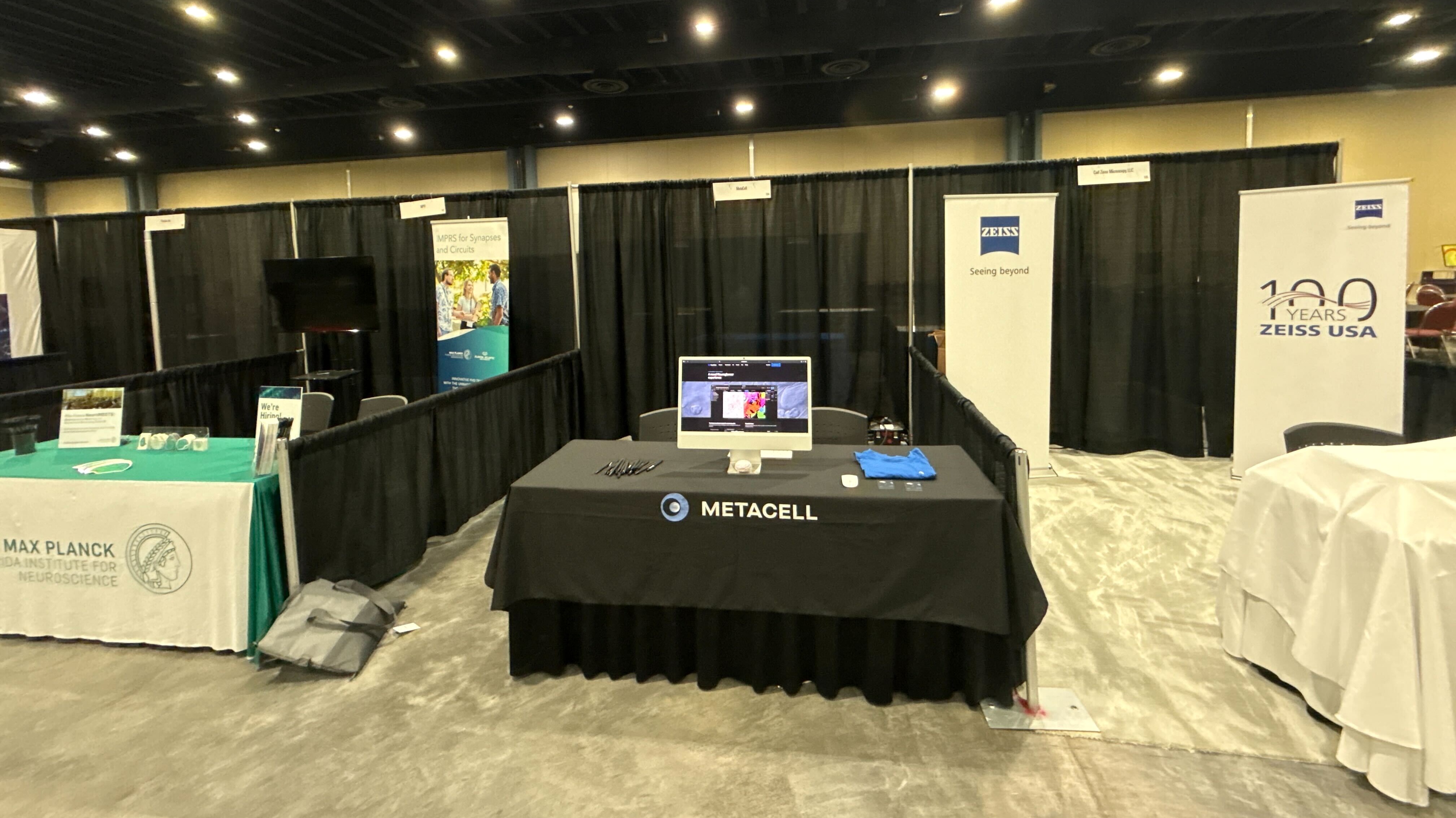
A lot is changing in our industry. As we continue working with global leaders including J&J, Natus, the Allen Institute, and CZI's Biohub, it's clear that many teams are waking up to the idea that AI can help you build your own tools instead of buying expensive, generic SaaS. That sounds great in theory, until the real questions show up: How do you bridge the gap between a prototype and a secure, industry-grade production solution? Who owns usability and quality? Who handles security and compliance? Who makes sure scientists actually use the tool or app? And who maintains it once it works?
For the last 14 years, MetaCell has helped ambitious life science organizations build custom software that solves their exact problems, not one-size-fits-all platforms. The goal is simple: ship solutions that innovate and create a real edge, and keep them reliable in the real world.
The following article offers a brief company update. If you'd like to discuss any of this content or how custom software + AI can unlock value in your data, please contact us here.
Introducing NeuroGlass: A novel Neuroglancer experience
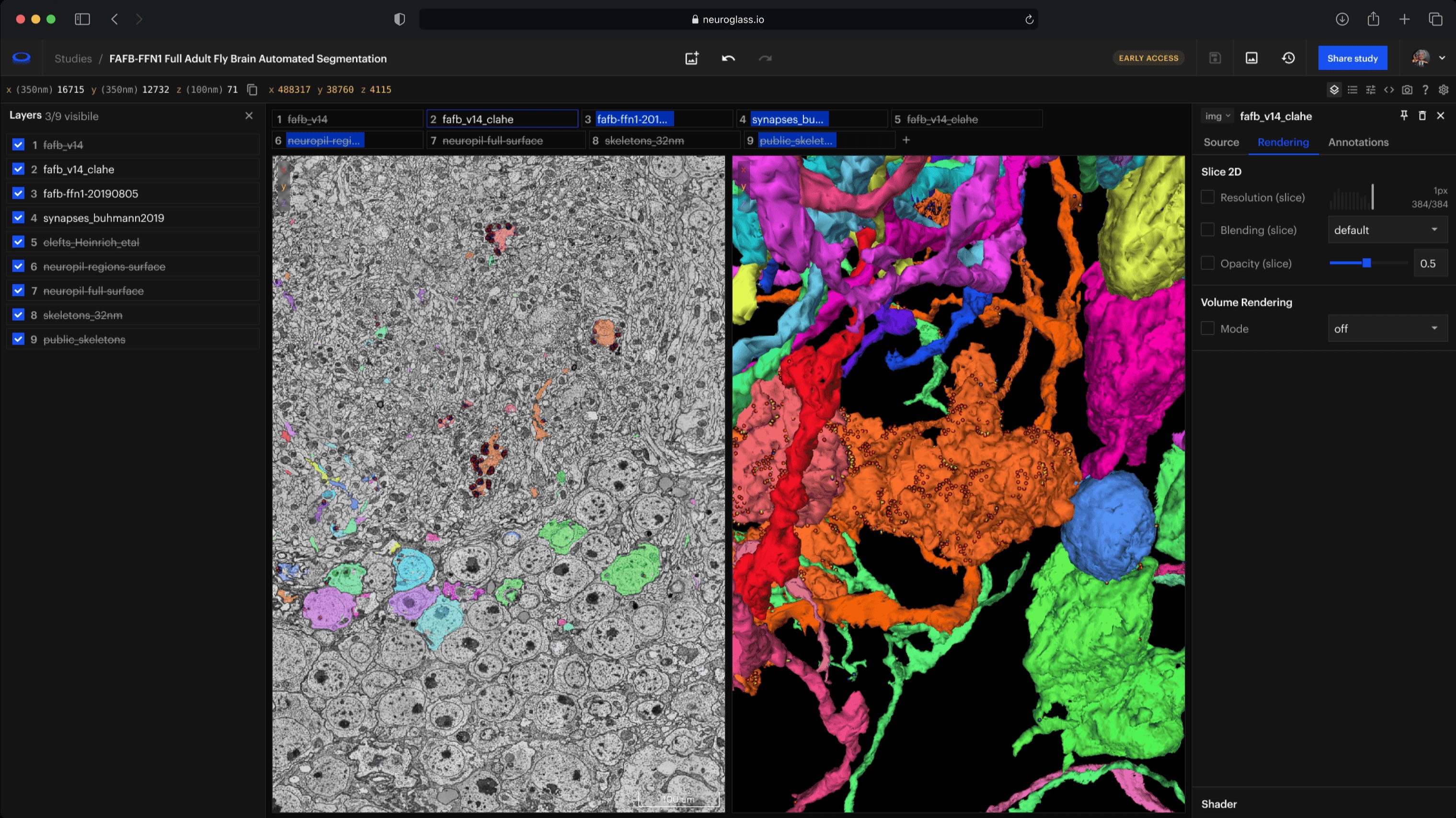
We're excited to introduce NeuroGlass, a collaborative cloud-based platform developed by our team to support volumetric imaging data exploration and analysis across life science research programs. NeuroGlass brings innovative workflows that let users build, organize, find and share Neuroglancer-based visualizations. It supports modalities spanning connectomics, cryo-EM/ET, expansion microscopy, spatial transcriptomics, and electron and fluorescence microscopy.
NeuroGlass enables:
- Fast, browser-based viewing of large volumetric datasets
- Studies to organize work into persistent, shareable project spaces with permissions and metadata
- Glances that save an exact view as a stable snapshot, so collaborators open the same context instantly
- AI powered editing and ask mode
- Live presence to collaborate on your imaging data in real-time with your colleagues
- Figures and history to easily capture high-res snapshots and return to earlier states
Why scientific UX matters more than ever

In the age of "vibe coding" and AI-assisted development, it's easy to get fixated on how quickly code can get written. But AI isn't your end user, your customers are. Scientists, clinicians, and R&D teams arrive with different levels of context, and they won't adopt tools that feel confusing, fragile or slow.
At MetaCell, we've found that the real differentiator is scientific UX: taking something complicated, a workflow over imaging, omics, biomarkers or clinical data, and designing an interface that makes it feel straightforward and reliable. That work requires human judgment and a process: learning what users actually need, understanding the science deeply, then turning it into a product journey people will stick with. This is why scientific UX and usability today matter more than ever and are crucial for real adoption.
If you're working on a tool where adoption is lagging, or where the workflow is powerful but the experience isn't there yet, get in touch with our team.
Explore MetaCell's products, solutions, and services >>
MPFI Sunposium 2026
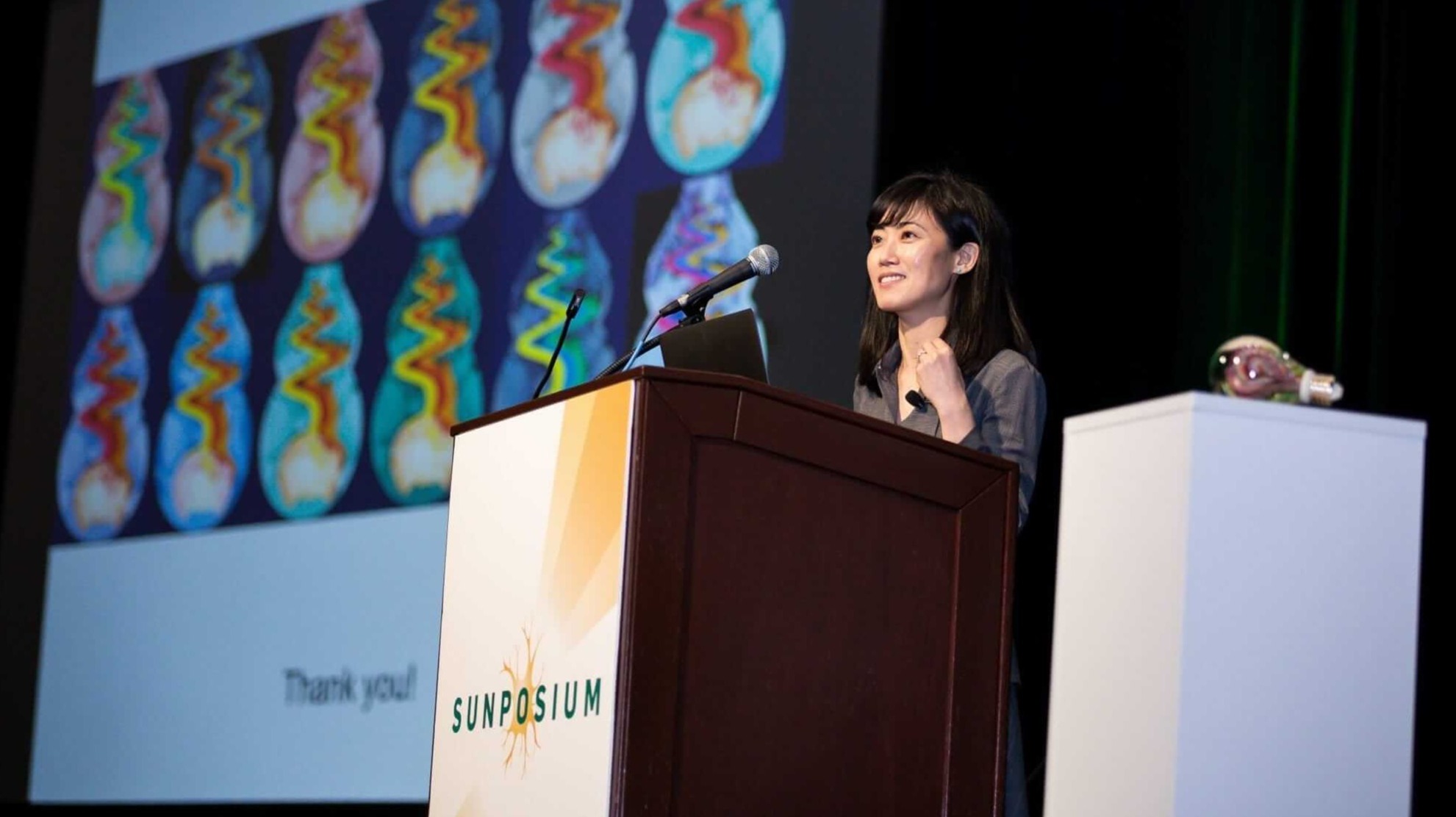
On March 9-11, we attended the Max Planck Florida Institute for Neuroscience's Sunposium in West Palm Beach, FL, and NeuroGlass sponsored the meeting. Sunposium is MPFI's biennial neural circuits conference, bringing together leaders in neuroscience research for three days of talks and discussions, poster sessions and exhibitions.
We were especially motivated as we already work closely with MPFI. In 2024, MPFI and MetaCell launched an institutional partnership to provide on-demand data science support for researchers working with complex datasets, with our team collaborating directly alongside MPFI teams to help move analysis forward.
Find out more about MPFI Sunposium 2026 >>
AI Workshop: What 100 people showed up to learn
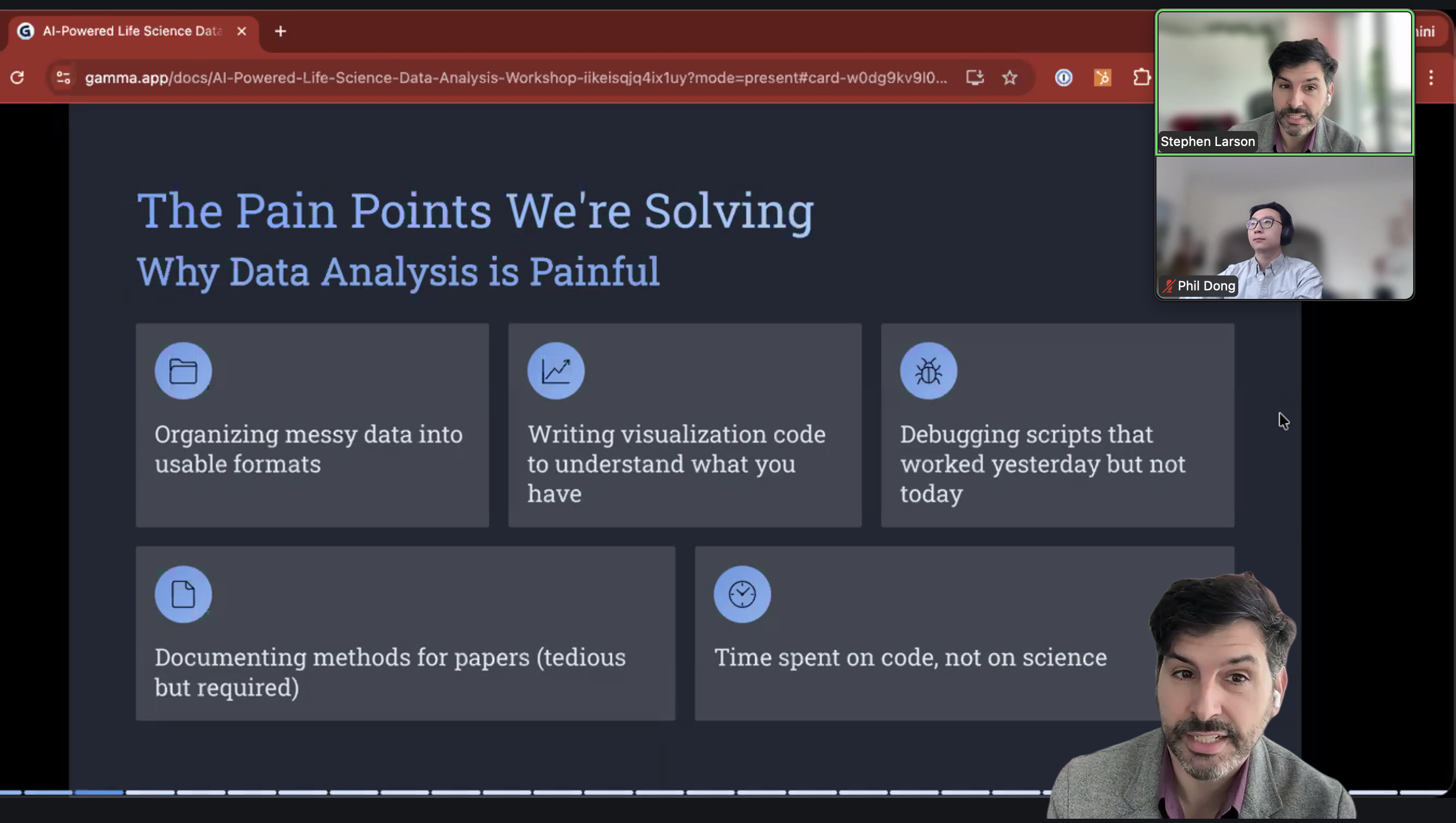
We recently hosted an AI-powered Life Science Data Analysis Workshop with 100 attendees, strong questions, and a live walkthrough of AI generating analysis code in real time. The theme was straightforward: many workflows are changing from "write code" to "direct code," while keeping rigor and reproducibility intact.
We covered:
- Agentic analysis workflows: how Claude Code can explore a repo, summarize it, propose safe changes without you micro-managing it
- From messy data to a working pipeline: generate scripts, add unit tests, run tests, fix issues, and iterate until outputs are correct and repeatable
- Notebook cleanup that pays off: turn fragile exploratory work into something collaborators can reuse, review, and build on
- Faster visualization: go from raw tables to publication-ready plots with tighter prompts and quicker iteration
The Electric Sheep Report: The weekly AI x Life Sciences brief

Keeping up with AI and life sciences is hard. The amount of news and updates is overwhelming and the signal-to-noise ratio is getting worse. That's why we created The Electric Sheep Report, a short weekly roundup of what actually matters at the intersection of AI and life sciences. It's designed to be read quickly and help you get just what you need.
Thank you for reading! Please get in touch with questions and comments, we would love to hear from you.


MetaCell.us is owned and operated by MetaCell, LLC, LTD. MetaCell.us contains copyrighted and other proprietary information. Copyright on MetaCell.us (including but not limited to text, photographs, graphics, videos and software) is owned by MetaCell or its partners. No right, title or interest in any content of MetaCell.us is transferred or licensed to you as a result of your use of the website. Other than for private use, you may not download or copy, store in any medium (including any other website), distribute, transmit, re-transmit, modify, show in public or make commercial or business use of any part of MetaCell.us without the prior written consent of MetaCell. By accessing MetaCell.us you agree not to use the content for any illegal or improper purpose. No part of MetaCell.us may be reproduced or distributed in any material form or medium without the permission of MetaCell.